2026-02-22
The unfolded protein response (UPR) represents a fundamental cellular adaptation mechanism that enables survival under endoplasmic reticulum (ER) stress conditions. Among the three canonical UPR branches—IRE1, PERK, and ATF6—the activating transcription factor 6 (ATF6) pathway has emerged as a particularly attractive therapeutic target due to its unique role in integrating proteostasis remodeling with cellular protective responses.
Read more →
2026-02-21
Sphingolipids represent a diverse class of bioactive lipids fundamental to cellular membrane architecture and signaling regulation. Understanding their precursors requires examining both the de novo biosynthetic pathway and the central metabolic intermediates that serve as branching points for complex sphingolipid synthesis.
Read more →
2026-02-20
Platinum-based chemotherapy agents represent one of the most significant milestones in oncological pharmacology, with their discovery and development exemplifying the successful transition from serendipitous observation to rational drug design.
Read more →
2026-02-19
Quinoline (C₉H₇N) and quinazoline (C₈H₆N₂) are two structurally related yet distinct nitrogen-containing bicyclic heteroaromatic compounds that serve as privileged scaffolds in medicinal chemistry and materials science.
Read more →
2026-02-18
5-Fluorouracil (5-FU) is a typical fluoropyrimidine drug and a representative of this class. Chemically, fluoropyrimidine drugs are defined as drugs where a fluorine atom replaces a hydrogen atom at the 5-position of the pyrimidine ring.
Read more →
2025-11-20
From 18–20 November 2025, our team showcased the latest pharmaceutical intermediates and catalysts at CPHI Barcelona, meeting more than 120 global buyers and signing three strategic cooperation agreements.
Read more →
2026-03-21
For decades, lactate was dismissed as a simple metabolic waste product—the culprit behind muscle burn during exercise and a sign of cellular distress.
Read more →
2026-02-15
Fetal bovine serum (FBS, CAS number 1943609-65-1) represents one of the most indispensable yet controversial components in modern biotechnology and biomedical research.
Read more →
2026-02-16
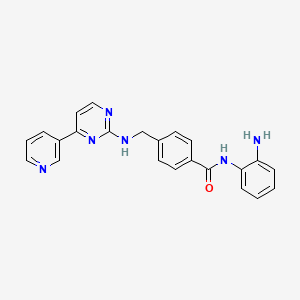
Small molecule inhibitors constitute a major class of therapeutic agents defined by their low molecular weight (typically <900 Daltons), which enables them to penetrate cell membranes and access intracellular targets.
Read more →
2026-02-17
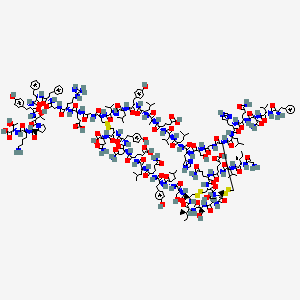
Polypeptides represent a distinct class of biomacromolecules that bridge the gap between small-molecule peptides and complex proteins. Chemically, they are linear polymers composed of α-amino acid residues linked by peptide bonds (–CO–NH–), typically encompassing 10–50 amino acid units with molecular weights ranging from 1,000 to 10,000 Daltons .
Read more →