Equilibrium adsorption capacity 1.1-1.4 times higher in composites under 80-90% RH
[1]
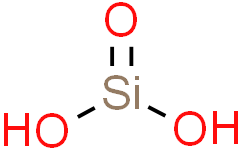
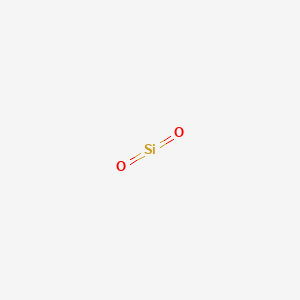
Pore size 60 Å, 70–230 mesh, typical surface area 480–540 m²/g; mechanically robust, low cost, commercially available, high oxidative stability; low heat capacity; enables high amine dispersion and scalability; retains amorphous structure (broad XRD hump ~22–23° 2θ) after infiltration and multiple adsorption-desorption cycles; no particle fusion or collapse observed by SEM
[2]
Hygroscopic component in calcium alginate microspheres
Enhances moisture adsorption in HPCC (e.g., optimal with SA at 5:1 mass ratio)
Applied in building materials for passive humidity control
[1]
Support matrix for PEI infiltration (wet method with methanol, 8:1 methanol:silica ratio, dried at 80 °C); forms PEI-infused adsorbent bed (~41 g in 200×60×20 mm aluminum chamber) for fixed-bed CO₂ breakthrough experiments; provides structure for photothermal/thermal regeneration at ~110 °C
[2]
Classification by use
Hygroscopic materials
Adsorbents in composites
Inorganic fillers for environmental regulation
[1]
Support materials for adsorbents
Materials used in carbon capture and storage (CCUS) solid sorbents
[2]
A trustworthy factory and manufacturer
[Cite:1] Study on synthesis and hygrothermal performance of calcium alginate-based moisture-adsorbing phase change composite, Next Materials, Volume 10, January 2026, 101401
[Cite:2] Solar-driven photothermal desorption of CO₂ from PEI-infused silica gel, Applied Thermal Engineering, Volume 286, February 2026, 129459