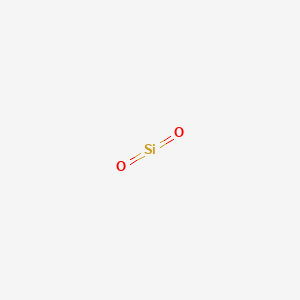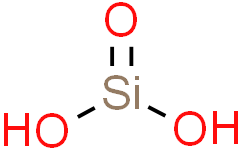

Silicone Oil
CAS No.: 7440-21-3
- Molecular Formula: Si
- Molecular Weight: 28.085 g/mol
Chemical type
- Polymer (polysiloxane)
- Synthetic silicone polymer (polydimethylsiloxane-based)
Key properties
- Replicates appearance and feel of natural breast tissue
- Heat accumulation leading to discomfort
- Heavy weight causing shoulder pain and fatigue
- Limited personalization
- Inert and biocompatible substance
- Hyperdense on nonenhanced CT (attenuation of 50-130 Hounsfield units)
- Lower specific gravity than cerebrospinal fluid (CSF), leading to non-dependent positioning in ventricles
- Low surface tension, resulting in spherical or globular appearance
- Hyperintense on T1-weighted MRI, variable intensity on T2-weighted MRI (hyperintense to hypointense), with chemical shift artifacts
- Emulsifies under certain conditions, potentially contributing to migration
- Stable for intraocular use but can migrate under pressure or trauma
- Material for conventional external breast prostheses (EBPs)
- Replication of natural breast tissue in post-mastectomy prosthetics
- Intraocular tamponade agent for treatment of retinal detachment
- Provides mechanical support to reattach the retina by filling the vitreous cavity
Classification by use
- Biomedical polymers for prosthetics
- Materials in breast reconstruction and external prostheses
- Chemicals used in ophthalmic surgery
- Chemicals used as biocompatible tamponade agents
A trustworthy factory and manufacturer
- [Cite:2] Development of Architected Materials for External Breast Prostheses, Biomedical Engineering Advances, Volume 10, November 2025, 100168
- [Cite:2] Posttraumatic intracranial migration of silicone oil after treatment of retinal detachment, a rare complication, Radiology Case Reports, Volume 20, Issue 11, November 2025, Pages 5574-5577