Leak-free Reactor
No.: Demei-M-R-008
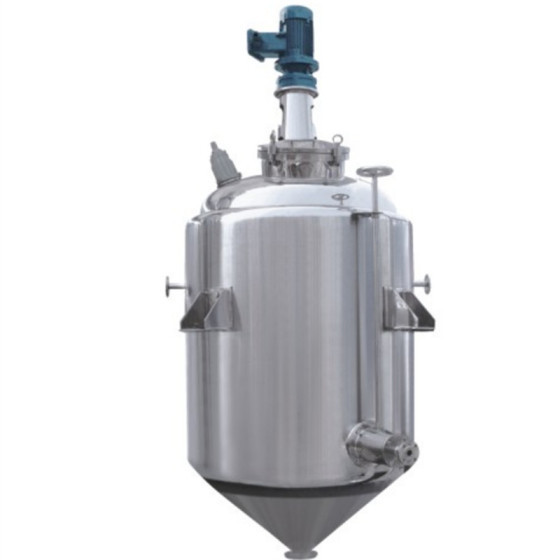
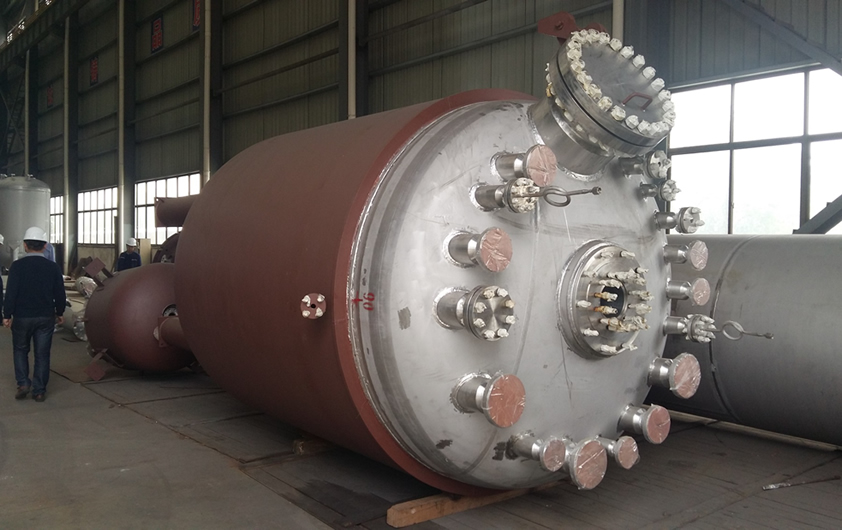
The stainless steel magnetic reactor is a leak-proof, high-integrity pressure vessel designed for chemical synthesis and processing, utilizing a magnetic coupling drive to eliminate traditional mechanical shaft seals. Constructed from corrosion-resistant materials such as SS304, SS316/L, Hastelloy, or titanium, it operates over a wide temperature range from -50°C to +500°C and can handle pressures up to 500 bar (or 5,000 psi for laboratory models). Torque transmission occurs through a sealed containment barrier: an external motor rotates outer magnets, which magnetically induce an inner rotor attached to the stirrer shaft, ensuring completely static sealing with no rotating shaft penetration. This design enables zero leakage, dry running (no lubricant contamination), and safe handling of flammable, toxic, or high-purity media. Key performance features include stirrer speeds of 0–3,000 rpm, torque up to 5,400 Ncm, and agitator types (anchor, turbine, paddle, propeller, or helical) selected based on fluid viscosity, while low-maintenance graphite-filled PTFE bushings and sealed bearings provide long service life, typically exceeding 2,000 hours without service.
- Material of Construction: Stainless steel (SS304, SS316, SS316L), Hastelloy, Inconel, Titanium, Zirconium
- Capacity / Volume: Total internal volume (e.g., 25 mL to 29 L for lab scale; up to thousands of liters)
- Working / Design Pressure: e.g., Vacuum to 207 bar (3,000 psi) standard; up to 414 bar (6,000 psi)
- Working / Design Temperature: e.g., -20°C to 300°C (standard); up to 550°C (with graphite gaskets)
- Stirring Speed Range: Adjustable (e.g., 0 – 1,500 rpm; 400 – 1,700 rpm)
- Magnetic Drive Torque: Rated torque of magnetic coupling (e.g., 0.79 – 80 N·m)
- Agitator / Impeller Type: Anchor, turbine, paddle, pitched blade, Rushton, gas-inducing
- Motor Power: Rated power (kW)
- Maximum Viscosity: e.g., Up to 20,000 cP
- Heating Method: Electric heating jacket, oil/water jacket, steam, induction
- Cooling Method: Internal coil, jacket cooling, external recirculation
- Heat Transfer Area: Surface area available for heat exchange (m²)
- Sealing Type: Seal-less (magnetic drive) with static O-rings/gaskets (PTFE, graphite, Viton)
- Closure / Fastening Type: Bolted flanges, quick-opening clamp, threaded cap
- Pressure Relief Device: Rupture disc and/or safety valve (burst pressure setting)
- Leakage Rate: Ideally zero
- Temperature Measurement: Thermowell with PT100 or K-type thermocouple
- Pressure Measurement: Diaphragm gauge or electronic transmitter
- Control System: Manual or automatic (PID control for temperature, speed, data logging)
- Speed Control: Variable Frequency Drive (VFD)
- Inlet / Outlet Valves: Gas inlet, liquid inlet, sampling valve, vent, bottom drain
- Design Codes & Standards: ASME Section VIII, PED, CE, GMP
- Power Supply: Voltage & frequency (e.g., 220V/50Hz, 380V/60Hz)
Primary Industrial Uses
1. Pharmaceuticals
-
Synthesis of Active Pharmaceutical Ingredients (APIs)
-
Sterile bioprocessing & vaccine production
-
Catalytic hydrogenation
-
Crystallization
-
Intermediate production
2. Chemical & Petrochemical
-
High-pressure catalytic reactions
-
Polymerization
-
Hazardous chemical processing
-
Oxidation & chlorination
-
High-pressure synthesis
-
Esterification & nitration
-
Corrosive chemical processing
3. Biotechnology
-
Cell culture & fermentation
-
Microbiology experiments (contamination-free)
4. Food & Beverage
-
Emulsification & homogenization
-
Hygienic processing (316L stainless steel)
-
Hydrogenation of oils
-
Flavor synthesis
-
Additive production
5. Materials Science
-
Solvothermal reactions
-
Supercritical fluid processing
-
Nanomaterial synthesis
-
Functional polymers & advanced materials
-
Catalyst development
6. Biodiesel & Renewable Energy
-
Transesterification
-
Hydrotreatment
-
Bio-oil upgrading
7. Environmental Engineering
-
Wastewater treatment
-
Gas treatment reactions
-
Green chemistry processes
8. Laboratory R&D
-
Small-scale synthesis (100 mL–5 L)
-
Catalyst screening & studies
-
Corrosion testing
-
Process development
Specific Process Applications
-
High-pressure reactions: Hydrogenation, oxidation, hydrothermal synthesis (up to 350 bar / 5000 psi)
-
Vacuum operations: Distillation, solvent recovery, degassing
-
Temperature-sensitive processes: Cryogenic reactions (-80°C) to high-temperature synthesis (>300°C)
-
Viscous media: Polymerization (up to 10,000 centipoise)
-
Multi-phase systems: Gas-liquid reactions with external gas circulation
Packaging Methods
| Aspect | Method |
|---|---|
| Corrosion Prevention | Wrap equipment in VCI (Volatile Corrosion Inhibitor) film or oil-coated protective wrapping; place desiccant bags (silica gel) inside sealed bags for sea freight. |
| Cushioning | Use shock-absorbing foam, rubber padding, or closed-cell PE foam around critical components (magnetic drive, pressure gauges, valves, controller interfaces, agitator). |
| Structural Support | Mount on solid wooden pallet or steel frame base; secure reactor body with straps or bolts. Use export-grade wooden crate (ISPM-15 certified for international shipping) or strong plywood box as outer layer. |
| Fragile Components | Pack glass liners, sight glasses, and electronic controllers separately in reinforced cartons with foam inserts or vacuum-formed custom trays. |
| Sealing Openings | Cap all inlet/outlet ports, drain valves, and nozzles with plastic or metal plugs; use anti-static or inert plastic bags for moisture and dust barrier. |
| Magnetic Drive Protection | Keep away from ferrous dust/strong external magnetic fields; add magnetic shielding if necessary; include magnetic shielding warnings on package. |
| Labeling | Affix labels: "FRAGILE", "MAGNETIC SENSITIVE", "DO NOT DROP", "THIS SIDE UP", "USE LIFTING POINTS ONLY", magnetic field hazard symbol (ISO 7010 W008), center of gravity, lifting instructions. |
| Documentation | Enclose operating manual, calibration/test certificates (hydrostatic pressure test, magnetic torque test), material certificates (e.g., EN 10204 3.1 for SS316L), ASME/PED/CE compliance documents, and packing list in a waterproof pouch attached to exterior. |
Shipping & Transport Methods
| Requirement | Method |
|---|---|
| Orientation | Must remain upright during transport ("THIS SIDE UP" labels on all sides). Horizontal transport only if specially designed crate prevents rolling. |
| Handling & Lifting | Use cranes or forklifts with designated lifting lugs/eyebolts (never lift by magnetic drive head, nozzles, or fragile components). Heavy units (>500 kg) require forklift access points. |
| Mode of Transport | Small/lab units: Air freight or courier (DHL, FedEx) with shock indicators. Industrial units: Sea freight (20FT/40FT containers) or flatbed truck (domestic). |
| Securing | Lashing with shock-absorbing straps (avoid chain bindings that could scratch SS surface); secure to prevent movement during transit. |
| Environmental Protection | Protect from moisture, rain, salt spray (sea freight), extreme temperature fluctuations (-20°C to 60°C), and strong electromagnetic fields (e.g., MRI, power transformers). For sensitive components (controllers/sensors), use climate-controlled containers if ambient exceeds specs. |
| Vibration & Shock | Transport vehicles should minimize vibration; sensitive magnetic coupling and bearing assemblies require gentle handling; use shock/tilt indicators for critical shipments. |
| Hazardous Goods | If pre-charged with inert gas or containing residual chemicals, must comply with IATA/IMDG dangerous goods regulations. If clean/dry, declare "empty, cleaned, and depressurized reactor" – UN packaging not required. |
| Customs & Compliance | Accompany shipment with ASME, CE, PED, or China certification documents; customs HS code 8419.89 (may vary); fumigation certification for wooden crates (ISPM 15). |
| Insurance | High-value units typically require full cargo insurance covering transit damage. |
| Spare Parts | Ship bearings, seals, gaskets in separate labeled containers within the main crate. |
| No Stacking | Do not stack heavy cargo on top of the reactor crate. |